For decades, therapy carried an unfair reputation. Many people believed that seeking mental health support meant you were “broken” or facing a crisis. But here’s the truth: therapy is simply a tool for personal growth, emotional wellness, and navigating life’s challenges—and it’s becoming increasingly recognized as a normal part of taking care of yourself.
The Numbers Tell a Different Story
If you’ve been considering therapy but feel alone in that decision, the data might surprise you. According to the American Psychological Association, approximately 41.4 million American adults received mental health treatment or counseling in 2021 alone[1]. That’s roughly one in five adults. Among younger generations, the numbers are even higher, with nearly half of adults aged 18-44 reporting they’ve sought therapy at some point[2].
This isn’t because more people are struggling than before. It’s because we’re finally recognizing that mental health deserves the same attention we give our physical health.
What Therapy Actually Is
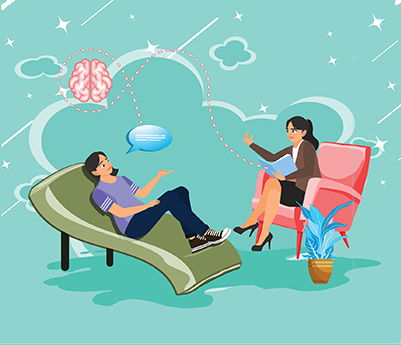
Think of therapy like going to the gym, but for your emotional and mental wellbeing. You don’t need to wait until you’re in crisis any more than you’d wait until you can’t walk to start exercising. Therapy provides a confidential space to talk through stress, relationship issues, career concerns, or simply to understand yourself better.
Research consistently shows that psychotherapy is effective for a wide range of concerns. A comprehensive analysis published in the American Psychologist found that approximately 75% of people who enter psychotherapy show some benefit[3]. Moreover, studies using brain imaging have demonstrated that therapy produces actual changes in brain activity, similar to how medication can affect the brain[4].
Common Reasons People Seek Therapy
You might be surprised by how ordinary the reasons are that bring people to therapy:
- Managing work-related stress or burnout
- Navigating relationship challenges or major life transitions
- Processing grief or loss
- Building better communication skills
- Addressing anxiety or depression (which affect millions of people)
- Simply wanting to understand themselves better and grow as individuals
- Working through difficulties associated with infertility
- Learning to handle the stress of parenting and raising children
None of these reasons indicate weakness. In fact, recognizing when you could benefit from support demonstrates self-awareness and strength.
The Cultural Shift
Attitudes toward mental health care have shifted dramatically in recent years. High-profile figures from athletes to celebrities have spoken openly about their therapy experiences, helping to normalize the conversation. The COVID-19 pandemic further accelerated this shift, with telehealth making therapy more accessible than ever before[5].
According to a 2019 poll by the American Psychological Association, 87% of American adults believe that having a mental illness is nothing to be ashamed of, and the same percentage agreed that having a mental illness is no different than having a physical illness[6]. We’re finally catching up to what mental health professionals have known for years: taking care of your mind is just as important as taking care of your body.
Taking the First Step
If you’ve been thinking about therapy, that’s already a positive step. Finding the right therapist might take some time. It’s okay to shop around until you find someone who feels like a good fit. Many therapists offer brief initial consultations, and with increased telehealth options, accessing care is more convenient than ever.
Remember, seeking therapy doesn’t mean something is wrong with you. It means you’re investing in yourself, your relationships, and your future. That’s something to be proud of.
References
[1] American Psychological Association. (2022). 2021 Mental Health Statistics. Retrieved from https://www.apa.org/monitor/2022/01/numbers-mental-health
[2] Terlizzi, E. P., & Zablotsky, B. (2022). Mental Health Treatment Among Adults: United States, 2020. NCHS Data Brief, No. 419. National Center for Health Statistics.
[3] Lambert, M. J. (2013). The efficacy and effectiveness of psychotherapy. In M. J. Lambert (Ed.), Bergin and Garfield’s handbook of psychotherapy and behavior change (6th ed., pp. 169-218). Wiley.
[4] Karlsson, H. (2011). How psychotherapy changes the brain. Psychiatric Times, 28(8), 1-4.
[5] Haque, S. N. (2021). Telehealth Beyond COVID-19. Psychiatric Services, 72(1), 100-103.
[6] American Psychological Association. (2019). Mental Health Poll. Retrieved from https://www.apa.org/news/press/releases/2019/05/mental-health-survey