By Jill Giuliano, LCSW | Anxiety Therapist in Westfield, NJ
“I’ve always been shy” is something I hear often from clients who come to see me for anxiety therapy in Westfield, NJ. And sometimes, yes, shyness is just part of someone’s temperament. But other times, what a person has spent their whole life calling shyness is actually social anxiety. And the two are very different things.
Understanding that difference matters, because social anxiety is treatable, and a lot of people are suffering unnecessarily without realizing help is available.
Shyness vs. Social Anxiety
Shyness is a personality trait. Shy people may feel some discomfort in new social situations, but they can generally push through it and enjoy themselves. The discomfort is temporary and doesn’t significantly interfere with their lives.
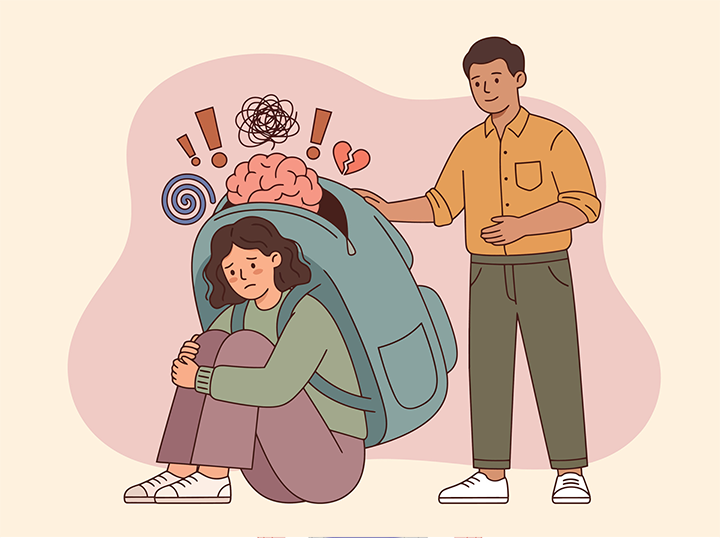
Social anxiety is a clinical condition. It involves an intense, persistent fear of social situations in which you might be judged, embarrassed, or humiliated. The fear is disproportionate to the actual situation, and it often leads to significant avoidance of social and professional situations.
For someone with social anxiety, it’s not just that parties feel uncomfortable. It’s that the anticipation of a social event can cause days of dread. It’s replaying a conversation you had last week and cringing. It’s choosing not to speak up in a meeting because the fear of saying something wrong is paralyzing.
What Social Anxiety Looks Like
Fear of being judged or watched while doing ordinary things. Intense distress in social situations that doesn’t lessen over time. Physical symptoms like blushing, sweating, trembling, or nausea in social settings. Avoiding situations where you might have to talk to people, perform, or be evaluated. Spending significant time afterward analyzing what you said or did and judging yourself harshly.
Who It Affects
Social anxiety is one of the most common anxiety disorders, affecting an estimated 15 million American adults. It often begins in adolescence and, without treatment, can last for years or even decades. Many people adapt their lives around it, choosing certain careers, avoiding relationships, or never speaking up, without ever realizing they don’t have to live this way.
Treatment That Works
Social anxiety responds very well to therapy, particularly Cognitive Behavioral Therapy (CBT) and exposure-based approaches. Treatment helps you identify and challenge the beliefs driving your fear, and gradually face the situations you’ve been avoiding, with support.
If you’ve always thought of yourself as “just shy” but social situations cause you real distress, it may be worth exploring this further with a therapist. I work with adults experiencing social anxiety in Westfield, NJ and throughout New Jersey via teletherapy. You deserve a life where you can show up fully, not spend it watching from the sidelines.
If you liked reading about social anxiety, read Why Avoidance Makes Anxiety Worse, Why Anxiety Gets Worse at Night and High Functioning Anxiety, You Look Fine, But Feel Anything But
Does this sound or feel familiar to you? Email me or call (908) 232-4044, and we can have a zero pressure chat about getting you started on something better.