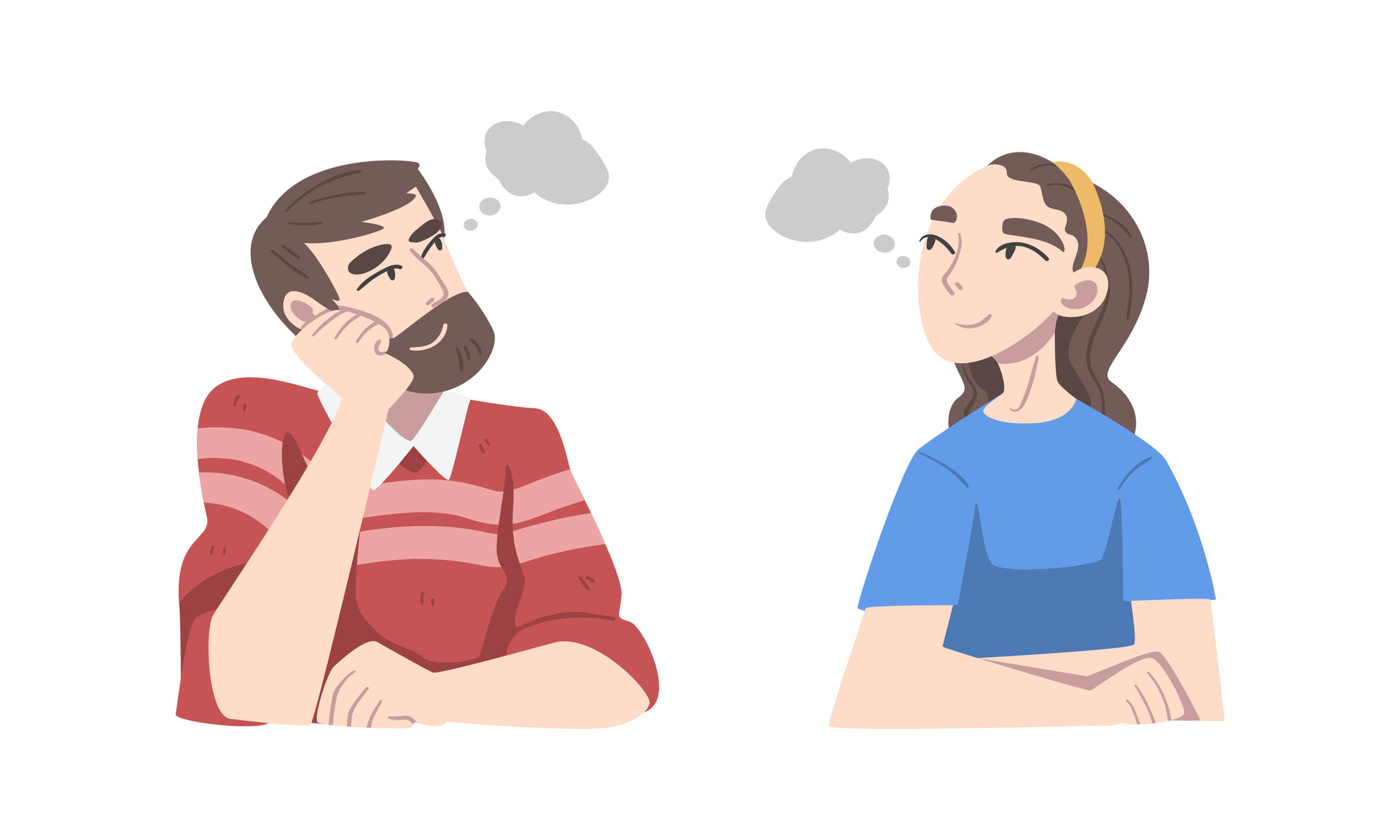
You’re telling your partner about a rough day at work. Halfway through, they cut in with three solutions. You didn’t want solutions. You wanted a hug and a “that sounds awful.” Now you’re both frustrated, and one of you is muttering, “Men are just like that” or “Women always want to talk it to death.”
We’ve all heard the idea that men and women are wired so differently they can barely understand each other. It makes for great sitcom material. But is it actually true? And more importantly, does believing it help your relationship, or get in the way?
Let’s look at what the research really says, and what it means for the two of you.
What the science actually says
Researchers have studied differences between men and women for decades, and the big picture is surprisingly consistent: there are some average differences, but they’re mostly small, and the overlap between men and women is huge.
Think of it like height. On average, men are taller than women. But you can easily find a tall woman and a short man, and knowing someone’s gender tells you very little about how tall they are. Most psychological traits work the same way, except the gaps are usually much smaller than the height gap.
That means the woman who loves fixing problems and the man who wants to talk through his feelings aren’t exceptions. They’re completely normal. Gender might nudge the averages, but it doesn’t write anyone’s script.
So why does the idea of huge gender differences feel so true? Partly because our brains love patterns. When a partner acts in line with a stereotype, we notice and remember it. When they don’t, we barely register it.
Where your differences really come from
If it’s not mostly about gender, why do you and your partner sometimes feel like you’re speaking different languages? A few things tend to matter a lot more.
How you grew up. Did your family yell and then hug it out, or go quiet for days? Was affection shown through words, gifts, or acts of service? We all bring our childhood playbook into our relationships.
Personality. Some people are natural planners, others love spontaneity. Some need time alone to recharge, others recharge with people. These traits shape a relationship far more than gender does.
How you handle stress. When things get hard, some people want to talk it out right away. Others need space to think first. Neither is wrong, but if you don’t know which one your partner is, it’s easy to misread them.
What you were taught to expect. Many of us absorbed messages like “boys don’t cry” or “girls should keep the peace.” Those messages can shape how comfortable we feel expressing certain emotions, even if they don’t reflect who we really are.
How to bridge the gap
- Ask, don’t assume. Before you jump in, try: “Do you want me to help solve this, or do you just need me to listen?” It’s a simple question that heads off a lot of frustration.
- Learn your partner’s stress style. Talk about it when things are calm. “When you’re upset, what helps you most?” Then honor the answer, even if it’s different from what you’d want.
- Swap the label for curiosity. Instead of thinking “That’s such a guy thing” or “Typical woman,” ask yourself what’s going on for this person right now.
- Share your own playbook. Tell your partner how conflict and affection worked in your family growing up. It explains a lot, and it builds empathy on both sides.
- Celebrate the differences. The planner and the free spirit, the talker and the thinker. Your differences can make you a stronger team when you use them on purpose.
Same team, different people
It’s tempting to chalk up every misunderstanding to “that’s just how men are” or “that’s just how women are.” It’s easy, and sometimes it’s even a little funny. But it can also keep us from really getting to know the person in front of us. The truth is, you didn’t fall in love with a gender. You fell in love with a person, with their own history, quirks, and way of seeing the world. The more curious you stay about who they really are, the less those differences will feel like a divide.