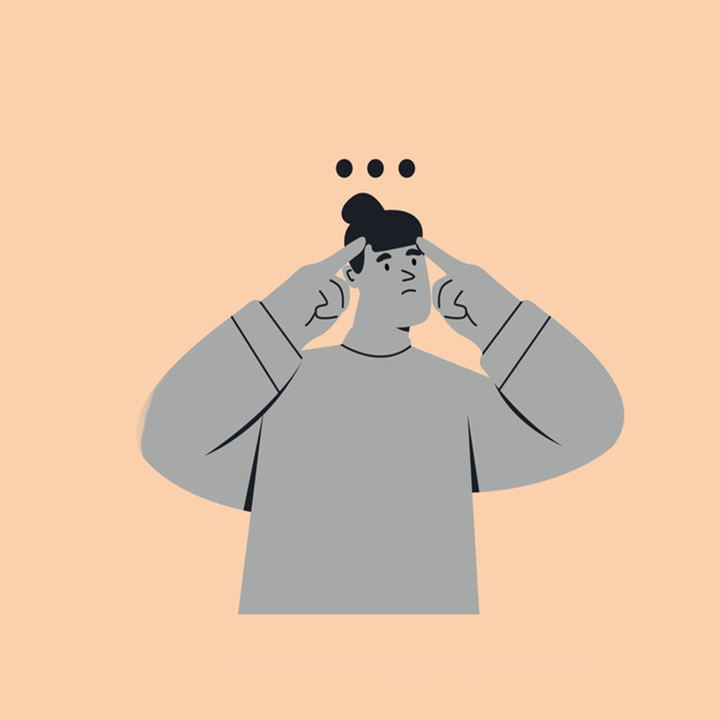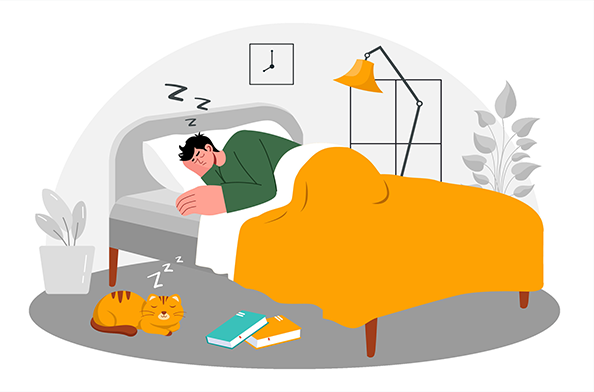
If you’ve ever noticed that your worries feel more overwhelming after a poor night’s sleep, you are not imagining things. Scientists have discovered a powerful two-way relationship between sleep and anxiety. Not only can anxiety keep you awake at night, but lack of sleep can actually make your anxiety worse.
The Connection between Anxiety and Sleep
Research shows that sleep deprivation has a direct impact on the brain regions that regulate our emotions. When we don’t get enough sleep, the amygdala, the brain’s emotional center, becomes hyperactive. At the same time, its connection to the prefrontal cortex, the area of the brain which helps us think rationally, weakens. This means that after a sleepless night, our brains are primed to overreact to stress and perceive threats where none exist.
One particularly revealing study found that just one night of sleep deprivation can increase anxiety levels by up to 30%. Even more concerning, people with insomnia are approximately ten times more likely to develop clinical anxiety disorders compared to those who sleep well.
Why Does This Happen?
During sleep, particularly during REM (rapid eye movement) sleep, our brains process emotional experiences from the day. Think of it as an overnight therapy session where your brain sorts through stressful events and strips away some of their emotional charge. When we’re deprived of this restorative sleep, we lose the opportunity to properly process our emotions, leaving us more vulnerable to anxiety the next day.
Additionally, sleep deprivation affects the body’s stress response system. Poor sleep increases levels of cortisol, the body’s primary stress hormone, creating a physiological state that mirrors anxiety.
Breaking the Cycle
The good news is that improving your sleep can significantly reduce anxiety symptoms. Studies have shown that treating insomnia with cognitive behavioral therapy with a trained therapist not only improves sleep but also reduces symptoms of anxiety and depression.
If you’re struggling with anxiety, prioritizing sleep isn’t just about feeling rested—it’s a crucial part of managing your mental health. Simple steps like maintaining a consistent sleep schedule, limiting screen time before bed, and creating a calm sleeping environment can make a meaningful difference in both your sleep quality and your anxiety levels.
I’m Jill Giuliano, LCSW. I’m a therapist who practices in my office in Westfield, New Jersey as well as virtually in New Jersey, Pennsylvania and Indiana. If you’re struggling with anxiety, infertility, depression, relationship issues or other concerns, email me or give me a call and we’ll get you started on your journey to feel better. I’ve been at this for over 20 years, therapy with an experienced professional works.
References:
- Walker, M. P. (2017). Why We Sleep: Unlocking the Power of Sleep and Dreams. Scribner.
- Baglioni, C., et al. (2011). “Insomnia as a predictor of depression: A meta-analytic evaluation of longitudinal epidemiological studies.” Journal of Affective Disorders, 135(1-3), 10-19.
- Ben Simon, E., & Walker, M. P. (2018). “Sleep loss causes social withdrawal and loneliness.” Nature Communications, 9(1), 3146.
- Goldstein, A. N., & Walker, M. P. (2014). “The role of sleep in emotional brain regulation.” Social Cognitive and Affective Neuroscience, 9(4), 411-421.
- Chrousos, G. P. (2009). “Stress and disorders of the stress system.” Nature Reviews Endocrinology, 5(7), 374-381.
- Freeman, D., et al. (2017). “The effects of improving sleep on mental health (OASIS): a randomised controlled trial with mediation analysis.” The Lancet Psychiatry, 4(10), 749-758.