By Jill Giuliano, LCSW | Anxiety Therapist in Westfield, NJ
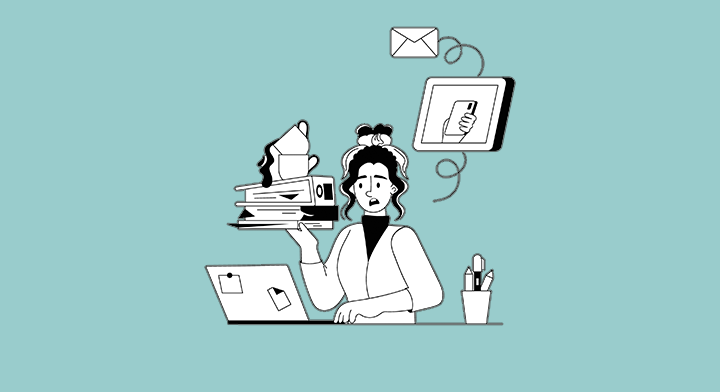
You’re in the middle of a conversation and half your brain is somewhere else, running through tomorrow’s schedule, remembering you need to call the pediatrician, mentally meal planning for the week, trying to remember if the permission slip has been signed.
This is the mental load. And for many women, it is relentless.
As a therapist who works with anxiety in Westfield, NJ, I see the toll this invisible labor takes on women’s mental health. It’s not just exhausting. For many people, it is a significant driver of anxiety, and it rarely gets named as such.
What Is the Mental Load?
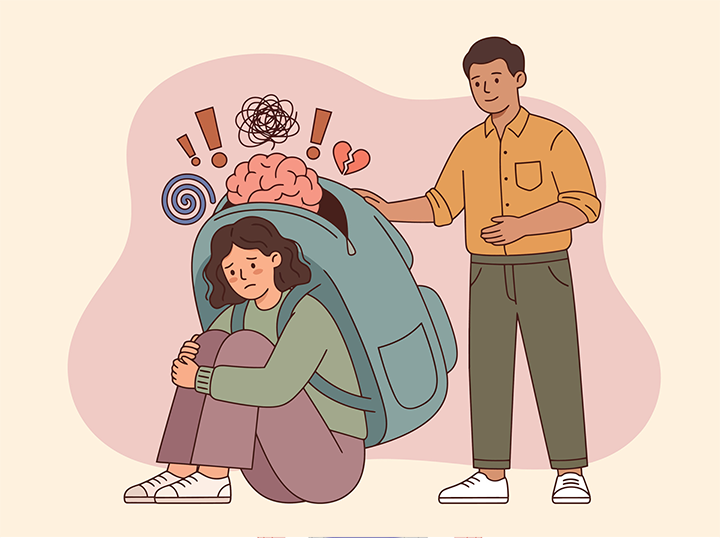
The mental load refers to the cognitive and emotional labor involved in managing a household, a family, and often a career simultaneously. It’s not just the tasks themselves, it’s the thinking, planning, anticipating, and coordinating that happens constantly in the background.
Research consistently shows that this labor falls disproportionately on women, even in households where partners share physical tasks relatively equally. One person tends to be the “manager,” the one who tracks what needs to happen, remembers what was forgotten, and carries the cognitive weight of keeping everything running.
How the Mental Load Fuels Anxiety
When your brain is always “on,” always tracking, always anticipating what could go wrong, that is anxiety’s native habitat. The mental load keeps the nervous system in a low-level state of alert. There is always something to worry about, because there is always something to manage.
Many women I work with describe feeling like they can never fully relax. Even in moments that are supposed to be restful, a vacation, a quiet evening, their minds are still running through lists. This is chronic anxiety, even when it doesn’t look like what people expect anxiety to look like.
The emotional load adds another layer: managing the feelings of everyone in the family, noticing when someone needs support, mediating conflict, and keeping the emotional temperature of the home regulated. It is constant, and it is largely invisible.
What Actually Helps
Naming it matters. Recognizing that what you’re experiencing isn’t just “being organized” or “being a mom,” it’s a real cognitive burden that has real mental health consequences, is an important first step.
Therapy can help you explore the beliefs that make it difficult to let go, set boundaries around what you take on, communicate your needs more clearly, and build in genuine rest rather than just the appearance of it.
You are not meant to carry all of this alone. If the mental load is feeding your anxiety and you’re in the Westfield, NJ area, I’d welcome the opportunity to help. Teletherapy is also available throughout New Jersey for women who need support that fits into a full life.
Read more articles on topics like High Functioning Anxiety, People Pleasing and The Invaluable Art of Saying No
Does this sound or feel familiar to you? Email me or call (908) 232-4044, and we can have a zero pressure chat about getting you started on something better.