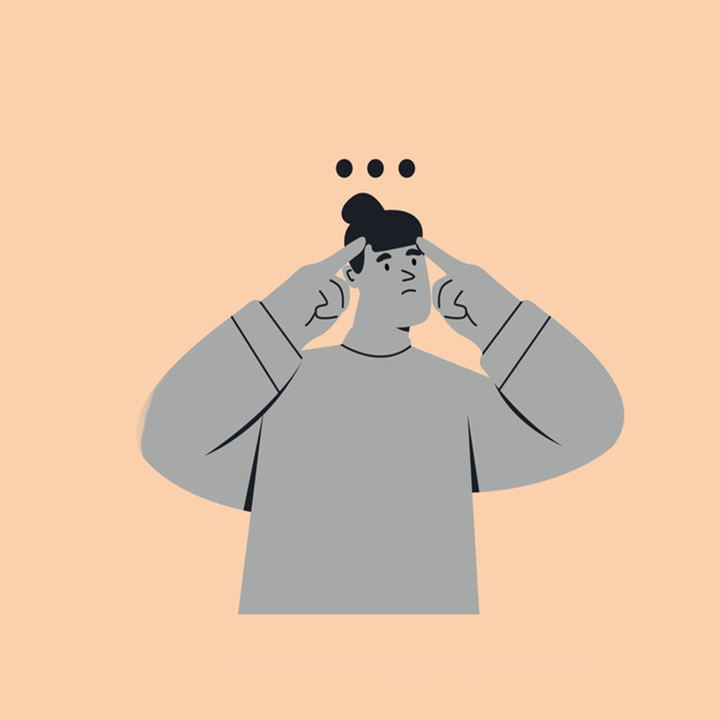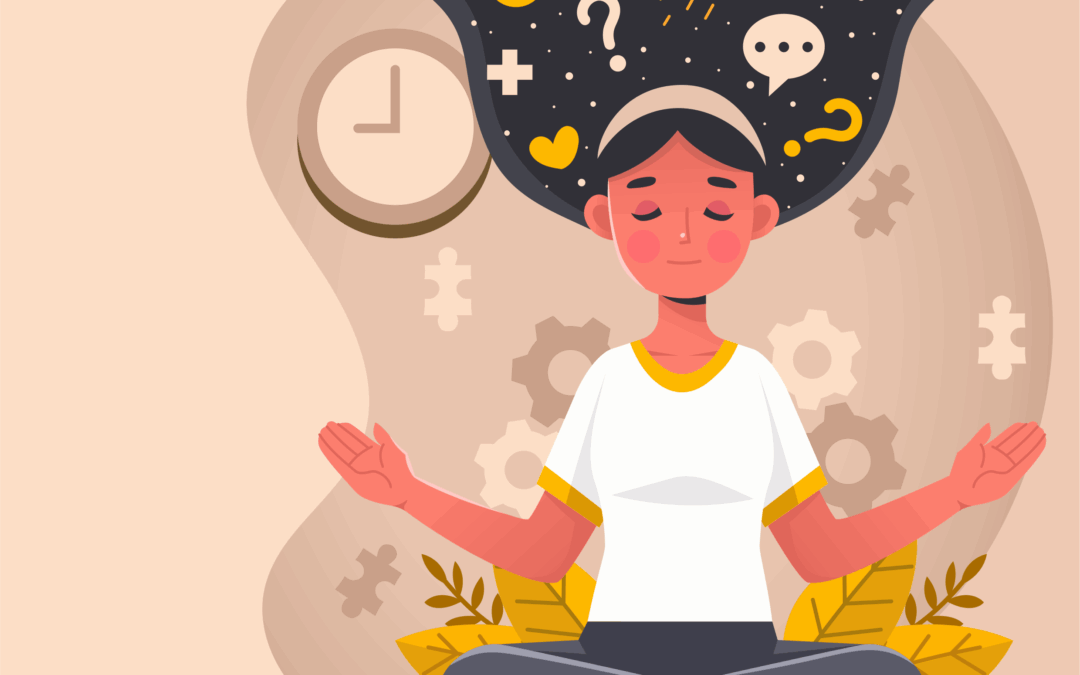
If you’re reading this, maybe you’re one of the millions of people in the US who are affected by anxiety. Perhaps you worry excessively or even have panic attacks. Anxiety can negatively affect our daily lives and while it can feel overwhelming, meditation is a gentle tool accessible to everyone that can help.
What Meditation Can Do for Anxiety
If you’re anxious, the idea of emptying your mind or achieving a state of zen may seem like an impossible task. Meditation is simply about learning to observe your thoughts and feelings without getting swept away by them. For those of us who worry and have a habit of spiraling into “what if” thoughts, meditation can be transformative.
Research shows that regular meditation practice can reduce anxiety symptoms by helping regulate your nervous system. When you meditate, you activate your body’s relaxation response, which counters the fight-or-flight mode that anxiety keeps you trapped in. Over time, this practice literally rewires your brain, strengthening areas associated with emotional regulation and weakening the circuits that fuel worry.
The Immediate Benefits You Might Notice
Even after only a few sessions, many people report feeling:
- A greater sense of calm and feeling grounded
- Improved ability to step back from anxious thoughts
- Better sleep quality
- Reduced physical tension
- More clarity when making decisions
Starting Small and Simple
The beauty of meditation for anxiety is that you can start with just 3-5 minutes a day. Find a quiet spot, sit comfortably, and focus on your breath. When your mind wanders to worries (and it will), gently guide your attention back to breathing. This isn’t failure—it’s exactly what the practice of meditation is all about.
Apps like Headspace or Calm offer guided meditations specifically designed for anxiety, which can be helpful when you’re starting out. Alternatively, simple breathing exercises throughout your day can provide immediate relief during anxious moments.
Be Patient with the Process
Meditation isn’t a quick fix, and some days it might feel harder than others. The goal isn’t to eliminate anxiety entirely but to change your relationship with it. It’s expected that your thoughts will trail off and distraction will set in. The skill you’re building is bringing your focus back. Away from the distraction.
With consistent practice, you’ll likely find that anxious thoughts have less power over you, and you’ll have more tools to navigate difficult emotions.
Remember, seeking support from a mental health professional alongside meditation practice can provide well rounded care for anxiety. Meditation is a wonderful complement to other treatments, not necessarily a replacement for them.