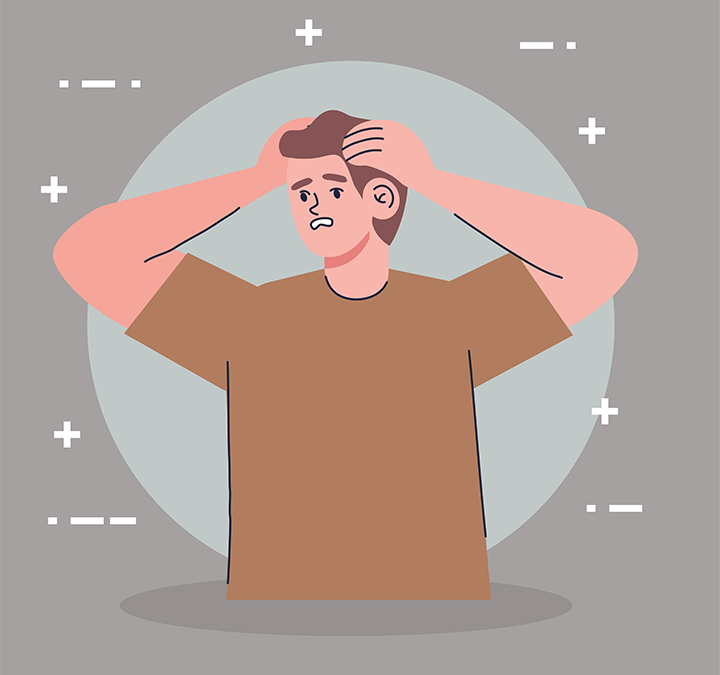
If you’ve ever experienced a sudden wave of intense fear that seemed to come out of nowhere—your heart racing, struggling to breathe, feeling like something terrible is about to happen—you may have had a panic attack. These episodes can be terrifying, but understanding what they are can help demystify the experience.
What Is a Panic Attack?
A panic attack is a sudden episode of intense fear or discomfort that reaches its peak within minutes. According to the Diagnostic and Statistical Manual of Mental Disorders (DSM-5), panic attacks involve at least four of several possible symptoms, including heart palpitations, sweating, trembling, shortness of breath, chest pain, nausea, dizziness, and feelings of unreality or detachment.
What makes panic attacks particularly frightening is that they often occur without an obvious trigger. You might be sitting at home, shopping at the grocery store, or even sleeping when one strikes. This unpredictability can lead people to worry constantly about having another attack, which ironically can increase their likelihood.
What’s Happening in Your Body?
During a panic attack, your body’s “fight or flight” response goes into overdrive. This is an ancient survival mechanism designed to protect you from danger. When your brain perceives a threat—real or imagined—it triggers the release of stress hormones like adrenaline, which causes your heart to race, your breathing to quicken, and your muscles to tense up in preparation to either fight or flee.
The problem with panic attacks is that this alarm system activates when there’s no actual danger present. Your body is preparing you to escape from a predator or face a life-threatening situation, but you’re actually safe. Research has shown that people who experience panic attacks may have a more sensitive fear response system, or they may interpret normal bodily sensations (like a rapid heartbeat from climbing stairs) as signs of danger, which then triggers a full panic response.
You’re Not Alone
Panic attacks are surprisingly common. The National Institute of Mental Health estimates that about 11% of adults in the United States experience a panic attack in a given year, though not everyone who has a panic attack develops panic disorder (which involves recurrent attacks and ongoing worry about having more).
Getting Help
The good news is that panic attacks, while intensely unpleasant, are not dangerous and they do pass. With proper treatment—typically involving cognitive-behavioral therapy, which helps you understand and change thought patterns that trigger attacks, and sometimes medication—most people can manage or overcome panic attacks. If you’re experiencing panic attacks, talking with a healthcare provider or mental health professional is an important first step. Working with a therapist for your anxiety can be life changing.
Remember that having a panic attack doesn’t mean you’re weak or “going crazy.” It’s a recognized medical condition with effective treatments available, and understanding what’s happening in your body during these episodes is often the first step toward feeling better.
References
American Psychiatric Association. (2013). Diagnostic and Statistical Manual of Mental Disorders (5th ed.). Arlington, VA: American Psychiatric Publishing.
National Institute of Mental Health. (2022). Panic Disorder When Fear Overwhelms. Retrieved from https://www.nimh.nih.gov/health/publications/panic-disorder-when-fear-overwhelms
Barlow, D. H. (2002). Anxiety and its disorders The nature and treatment of anxiety and panic (2nd ed.). New York: Guilford Press.