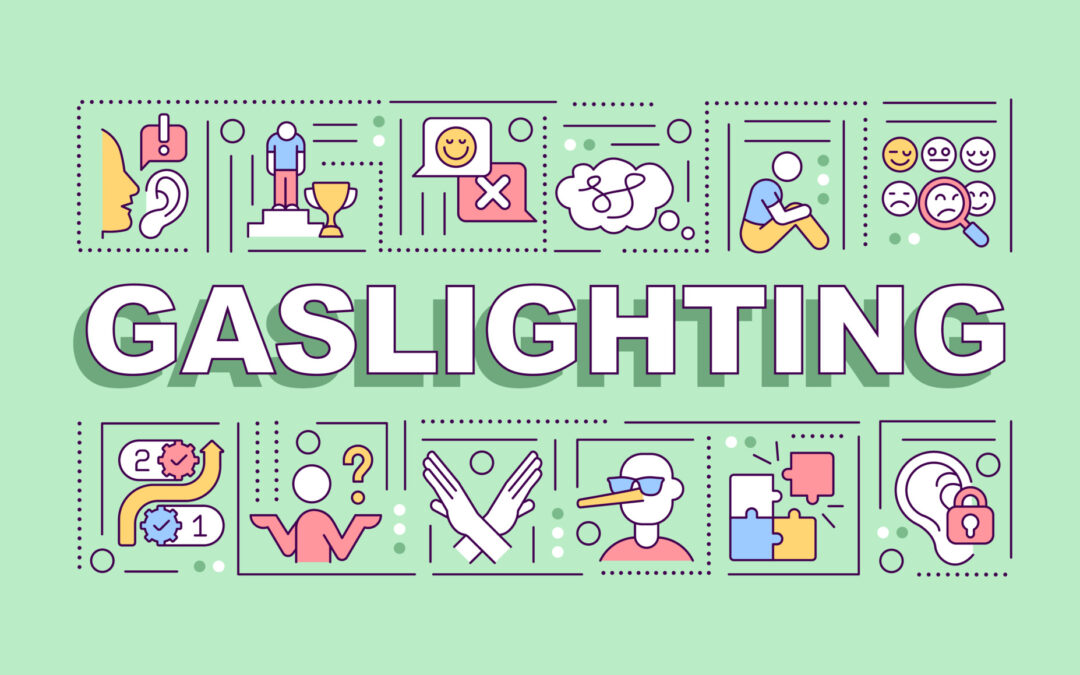
If you’ve spent any time online recently, you’ve probably heard the term “gaslighting” thrown around. While it’s become a popular buzzword, true gaslighting is a serious form of psychological manipulation that goes far beyond everyday lying or disagreement.
Where the Term Comes From
The term originates from a 1938 stage play called “Gas Light,” in which a husband attempts to drive his wife to question her sanity by dimming the gas-powered lights in their home and then denying that the lighting has changed when she notices. The story was later adapted into a famous 1944 film starring Ingrid Bergman and Charles Boyer.
What Gaslighting Actually Means
Gaslighting is a form of manipulation and psychological control in which victims are deliberately and systematically fed false information that leads them to question what they know to be true, often about themselves. It’s an ongoing pattern of emotional abuse and mental manipulation that makes you doubt your decisions, mistrust your judgment, and question reality.
It’s important to understand that no single tactic or experience defines gaslighting. It is a pattern of behavior, multiple instances of manipulation that happen over and over again. The term is sometimes overused to describe any form of lying or disagreement, but true gaslighting involves sustained psychological manipulation.
Common Gaslighting Techniques
Gaslighters use various tactics to destabilize their victims’ sense of reality. They may accuse you of being overly emotional or too sensitive, blame you for things you didn’t do or don’t recall doing, and deflect or counter arguments rather than trying to address problems. Other techniques include countering, where someone questions your memory by saying things like “Are you sure about that? You have a bad memory”.
Where Gaslighting Happens
Gaslighting can occur in personal or professional relationships, targeting victims at the core of their being: their sense of identity and self-worth. This includes romantic relationships, family dynamics, workplace settings, and even medical environments where healthcare professionals dismiss or downplay patients’ concerns.
The Impact on Victims
The effects of gaslighting can be devastating. Over time, a gaslighter’s manipulations can grow more complex and potent, making it increasingly difficult for the victim to see the truth. Victims may experience anxiety, depression, confusion, isolation, and psychological trauma. The abuse gradually causes victims to become confused, anxious, isolated, and depressed, losing all sense of what is actually happening and starting to rely on the abusive partner more and more to define reality.
Recognizing the Signs
If you find yourself constantly second-guessing your own perceptions, frequently apologizing when you’ve done nothing wrong, or wondering if you’re “too sensitive,” these could be warning signs. The abuse develops very gradually in a relationship, with the abusive partner’s actions seeming harmless at first.
What You Can Do
If you suspect you’re experiencing gaslighting, trust your instincts. Privately documenting date, time, and details of what happened can help you gather reliable evidence and recognize patterns. Talking with someone trustworthy outside the relationship can also help you gain perspective.
Remember, gaslighting is a form of abuse, and seeking support from a mental health professional or domestic violence resource can be an important step toward reclaiming your sense of reality and well-being.
References
- Psychology Today. “Gaslighting.” https://www.psychologytoday.com/us/basics/gaslighting
- Cleveland Clinic. “Gaslighting: Definition & How To Spot It.” July 14, 2025. https://health.clevelandclinic.org/gaslighting
- Medical News Today. “What is gaslighting? Examples and how to respond.” March 22, 2024. https://www.medicalnewstoday.com/articles/gaslighting
- The National Domestic Violence Hotline. “What is gaslighting?” July 4, 2023. https://www.thehotline.org/resources/what-is-gaslighting/
- Merriam-Webster Dictionary. “Gaslighting Definition & Meaning.” https://www.merriam-webster.com/dictionary/gaslighting
If you or someone you know is experiencing domestic abuse, contact the National Domestic Violence Hotline at 1-800-799-7233 or visit thehotline.org.