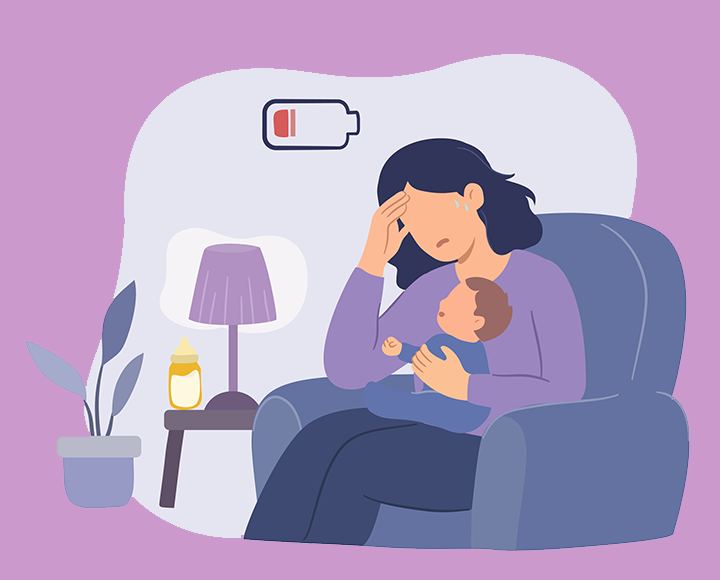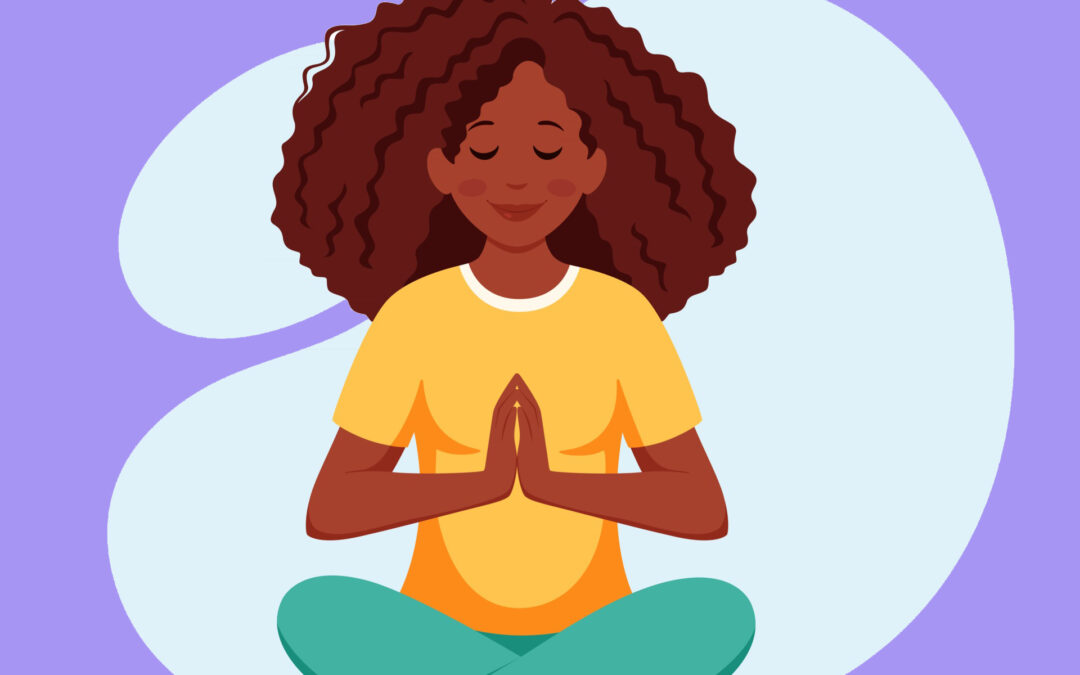
You’re stressed. You can feel it. Someone in your orbit observes you. Then they say that thing, “just relax.” As if it was that simple. Oh, I’ve never thought of that. What a brilliant idea, I’ll get right on it.
Maybe it’s not as simple as flicking a switch, but we can train ourselves to relax. And then when we are stressed, we’ve got a tool. It’s not a magic wand, but a tool. So, let’s talk about relaxation techniques.
What is a relaxation technique?
Relaxation techniques are simple, evidence-based methods that put you back in control of your stress response. These powerful tools can help your body and mind shift from a stressed state to a calmer one. This gives you the capacity to interfere with your body’s natural “fight or flight” response when you feel stress or your anxiety increases.
What Happens When You Relax?
When you practice relaxation techniques regularly, you’re actively rewiring your body’s stress response system. Research shows these techniques “reduce cortisol levels in patients, leading to a decrease in somatic and subjective experiences of stress”¹. You gain the power to “improve focus and mood, improve sleep quality, lower blood pressure and improve digestion.”² Relaxation techniques offer tangible improvements you can feel and measure.
Common Types of Relaxation Techniques
You have many proven options at your disposal. The most common techniques include deep breathing exercises, progressive muscle relaxation (tensing and releasing muscle groups), mindfulness meditation, and gentle movement practices like yoga or tai chi. Research confirms these practices “may be helpful for people with anxiety, depression, and pain.”³ What this means is that you can positively impact your health through your own practice.
Why They Work
Relaxation techniques give you direct control over your nervous system, teaching it to activate “rest and digest” mode instead of staying trapped in stress mode. Clinical guidelines specifically recommend “relaxation techniques for improving mood and depression”⁴, recognizing your ability to influence your own mental health through these practices.
Getting Started
First, I beg you to spare yourself the comparison of watching a meditation expert and expecting yourself to find immediate bliss. Set your expectations reasonably with the idea that this is a skill you will learn, a muscle you will strengthen through consistency and practice versus perfection. Research emphasizes that “each relaxation technique should be practiced over time and implemented regularly for optimal stress management”⁵. Start with just 5-10 minutes daily of any technique that feels right to you. Many apps like Calm and Headspace have meditation exercises to get beginners started.
Remember, relaxation techniques are skills that grow stronger with practice. And you might try a few before finding one that you like. What’s important is that you take the step. It’s not going to be perfect, but over time, with practice you will improve. Give it a try!
References:
- National Center for Complementary and Integrative Health – Relaxation Techniques Research
- Mayo Clinic – Relaxation Techniques: Try These Steps
- Harvard Health Publishing – Relaxation Techniques Research
- Clinical Practice Guidelines for Stress Management
- American Psychological Association – Stress Management Research
Curious about Therapy for Anxiety?
If you’re curious about therapy for anxiety, reach out and we’ll chat. Sometimes working with an experienced therapist can help you learn to manage your anxiety in a completely different way. Call or text me at 908-232-4044 or complete the form below and we can talk.