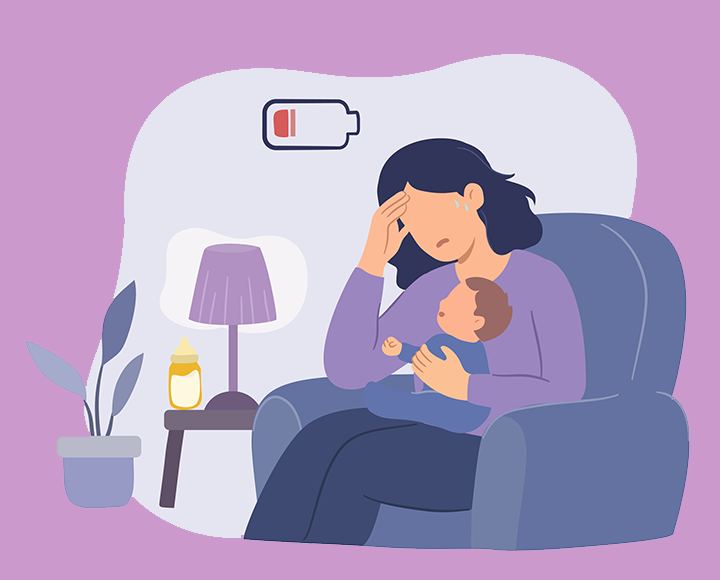
It’s January. You’ve got the entire year of 2026 ahead of you and you want to make it count. New Year’s Resolutions have become a bit taboo. You know, say them on December 31st, curse them on January 5th and ignore them by the 10th. You know where you want to go, but you just can’t seem to get there. Why don’t you have the motivation or willpower to make the changes you want? Know this, you’re not failing at making change because you lack willpower. You’d probably be more successful if you focus on developing a few new habits to execute your vision. Develop your vision. Decide what you would like to accomplish by year’s end. Then decide which key actions will get you to your goals. It’s not about willpower, motivation or strength, it’s more about your habits.
Understanding the Habit Loop
Habits aren’t really about discipline. They’re about neurology. Research by Charles Duhigg has identified what’s called the “habit loop”—a three-part cycle consisting of a cue, a routine, and a reward. Your brain looks for shortcuts to conserve energy, and once it finds a reliable pattern that leads to something rewarding, it automates it. This means that once a habit truly takes root, it requires less and less conscious effort.
Start Smaller Than You Think
Here’s where I see people struggle most: they aim too high, too fast. Someone decides they’re going to run five miles every morning when they haven’t exercised in years. Within a week, they’ve stopped entirely.
I encourage you to think in terms of what BJ Fogg calls “tiny habits.” Instead of committing to an hour at the gym, commit to putting on your workout clothes. Instead of overhauling your entire diet, commit to drinking one glass of water when you wake up. These micro-commitments are so manageable that your brain doesn’t mount resistance against them.
Anchor Your New Habit to an Existing One
One of the most effective strategies is habit stacking—attaching your new behavior to something you already do automatically. For example: “After I pour my morning coffee, I’ll write three things I’m grateful for” or “After I brush my teeth at night, I’ll lay out my clothes for tomorrow.” You’re working with your brain’s existing architecture rather than against it.
Prepare for the Emotional Landscape
Change brings up feelings, sometimes uncomfortable ones. When you miss a day of your new habit, instead of spiraling into “I’ve ruined everything,” ask yourself, “What got in the way today? What can I learn from this?” Research on self-compassion by Kristin Neff has shown that being kind to yourself during setbacks actually increases the likelihood of getting back on track, while harsh self-criticism often leads to giving up entirely.
Create Environmental Cues
Your environment is constantly cueing behaviors. If you want to read more, place books on your pillow. If you want to eat healthier snacks, put fruit at eye level in your refrigerator. You’re designing your space so that the desired behavior is the path of least resistance.
Give It Time and Grace
You’ve probably heard it takes 21 days to form a habit, but research by Phillippa Lally found that it actually takes an average of 66 days, with significant variation. Some habits clicked in 18 days for participants, while others took over 250 days.
The timeline matters less than your commitment to showing up consistently—and compassionately—for yourself. Building a new habit is a practice in patience and self-knowledge. You have the capacity for change within you. Be patient with yourself. The fact that you’re thinking about how to grow tells me something important: you’re already on the path.
References
Clear, J. (2018). Atomic Habits: An Easy & Proven Way to Build Good Habits & Break Bad Ones. Avery.
Duhigg, C. (2012). The Power of Habit: Why We Do What We Do in Life and Business. Random House.
Fogg, B. J. (2019). Tiny Habits: The Small Changes That Change Everything. Houghton Mifflin Harcourt.
Lally, P., van Jaarsveld, C. H. M., Potts, H. W. W., & Wardle, J. (2010). How are habits formed: Modelling habit formation in the real world. European Journal of Social Psychology, 40(6), 998-1009.
Neff, K. D. (2011). Self-compassion, self-esteem, and well-being. Social and Personality Psychology Compass, 5(1), 1-12.