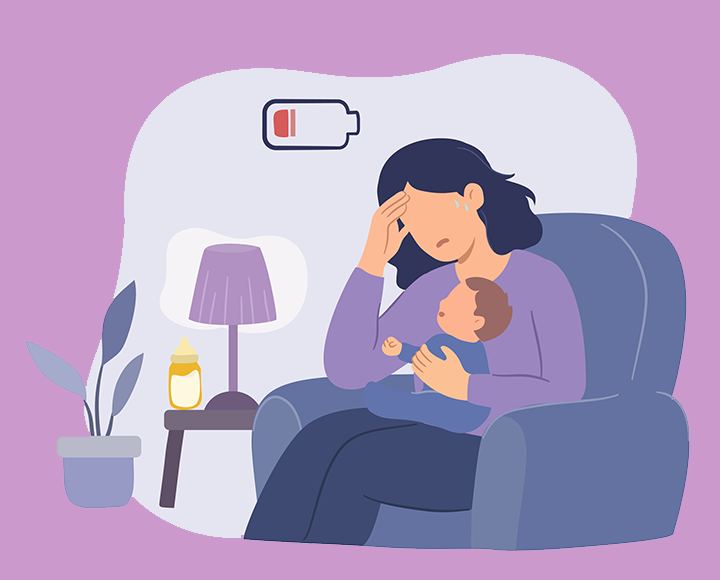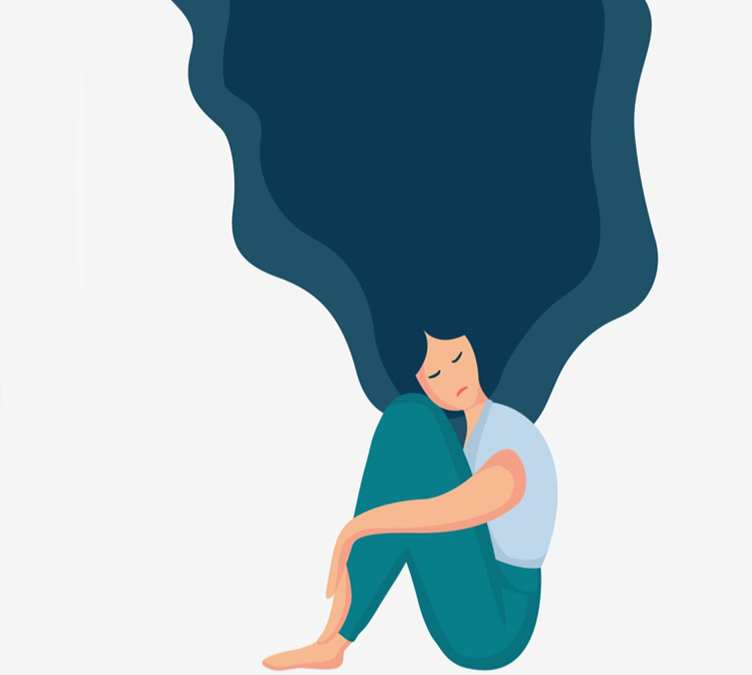
If you’ve ever felt overwhelmed by worry or weighed down by persistent sadness, you’re not alone. Anxiety and depression are two of the most common mental health conditions, affecting millions of people worldwide. While they often occur together and share some similarities, they’re distinct experiences that affect us in different ways.
What Is Anxiety?
Anxiety is primarily characterized by excessive worry and fear about future events or situations. When you’re anxious, your mind races with “what if” scenarios, and your body responds as if danger is imminent—even when there’s no real threat present.
Common signs of anxiety include restlessness, difficulty concentrating, muscle tension, rapid heartbeat, and trouble sleeping because your mind won’t quiet down. People with anxiety disorders often feel keyed up or on edge, as if they’re waiting for something bad to happen.
What Is Depression?
Depression, on the other hand, centers around persistent feelings of sadness, emptiness, or hopelessness. Unlike normal sadness that comes and goes, depression lingers and affects your ability to function in daily life. It’s less about fear of the future and more about a heavy, pervasive sense that nothing matters or will get better.
People experiencing depression often lose interest in activities they once enjoyed, feel exhausted even after rest, have difficulty making decisions, and may experience changes in appetite or sleep patterns. Some describe it as moving through life under a heavy blanket that dulls everything.
The Key Differences
The simplest way to understand the difference: anxiety is excessive worry about what might happen, while depression is a profound sense of sadness about what is or has been. Anxiety propels you forward with nervous energy (even if it’s uncomfortable), while depression often makes you feel stuck or slowed down.
However, it’s important to note that these conditions frequently overlap. According to research, nearly half of people diagnosed with depression are also diagnosed with an anxiety disorder. The two can feed into each other—constant anxiety can be exhausting and lead to depressive feelings, while depression can trigger worries about the future.
Why This Matters
Understanding the distinction is important because treatment approaches may differ. Anxiety often responds well to techniques that help manage worry and physical symptoms, such as breathing exercises and exposure therapy. Depression treatment typically focuses on addressing negative thought patterns and restoring engagement with life. Both conditions are highly treatable, often with a combination of therapy, lifestyle changes, and sometimes medication.
If you’re struggling with either anxiety or depression—or suspect you might be—the most important step is reaching out for support. Talk to a healthcare provider, therapist, or counselor who can help you understand what you’re experiencing and develop an effective treatment plan. Mental health conditions are medical conditions, and seeking help is a sign of strength, not weakness.
Remember, you don’t have to navigate these challenges alone. And with proper support, people with anxiety and depression can and do feel better.
References:
- National Institute of Mental Health (NIMH). “Anxiety Disorders.” Available at: https://www.nimh.nih.gov/health/topics/anxiety-disorders
- National Institute of Mental Health (NIMH). “Depression.” Available at: https://www.nimh.nih.gov/health/topics/depression
- Anxiety and Depression Association of America (ADAA). “Understanding Anxiety and Depression.” Available at: https://adaa.org
- American Psychiatric Association. “What Is Depression?” Available at: https://www.psychiatry.org/patients-families/depression
- Mayo Clinic. “Anxiety disorders” and “Depression (major depressive disorder).” Available at: https://www.mayoclinic.org