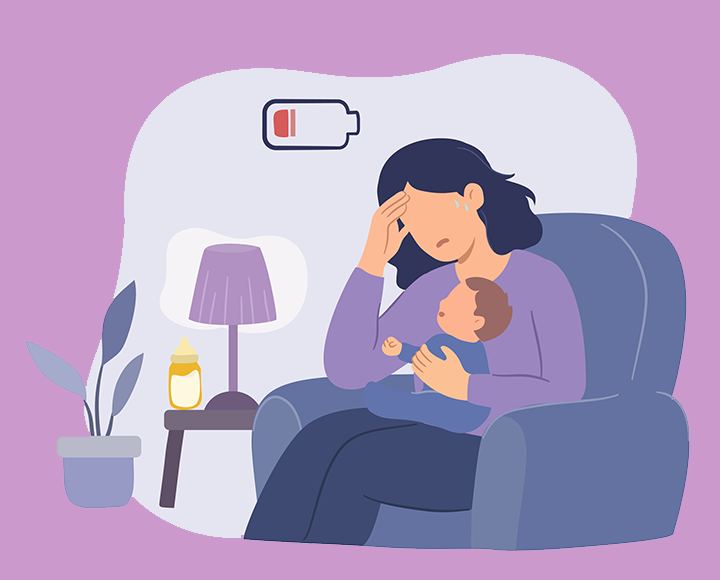
Watching someone you care about grapple with anxiety can feel overwhelming. You want to help, but you might worry about saying the wrong thing or making matters worse. The good news is that with some understanding and practical strategies, you can make a meaningful difference in their life.
Understanding What They’re Going Through
Anxiety disorders affect approximately 31% of adults at some point in their lives, making them the most common mental health condition in the United States. When someone experiences anxiety, their body’s threat detection system is working overtime, triggering physical symptoms like racing heart, shortness of breath, and muscle tension even when there’s no actual danger present.
It’s crucial to remember that anxiety isn’t something people can simply “snap out of” or overcome through willpower alone. Research shows that anxiety involves complex interactions between brain chemistry, genetics, and life experiences. Understanding this neurobiological basis can help you approach your loved one with patience rather than frustration.
What Actually Helps
Listen without trying to fix everything. One of the most powerful things you can do is simply be present. When your friend or relative opens up about their anxiety, resist the urge to immediately offer solutions or minimize their concerns. Phrases like “just relax” or “don’t worry about it” can feel dismissive, even when well-intentioned. Instead, try saying “I’m here for you” or “That sounds really difficult.”
Validate their experience. Research on emotional validation demonstrates that feeling understood and accepted can reduce emotional distress and improve wellbeing. You don’t need to agree that their fears are rational to acknowledge that their anxiety and feelings are real and difficult. A simple “I can see this is really hard for you” can go a long way.
Encourage professional help gently. Cognitive-behavioral therapy (CBT) has strong research support for treating anxiety disorders, with studies showing significant improvement in symptoms for many patients. Medication can also be helpful for many people. If your loved one isn’t already seeing a therapist or mental health professional, you might gently suggest it as an option, perhaps by saying “Have you thought about talking to a therapist who specializes in anxiety? I’ve heard it can really help.” A qualified therapist can provide evidence-based treatments specifically designed to address anxiety symptoms.
Learn their triggers and respect their boundaries. Everyone’s anxiety is different. Some people find certain situations particularly difficult, whether it’s crowds, social events, or specific topics of conversation. Pay attention to what makes their anxiety worse, and when possible, be accommodating without being overprotective.
What to Avoid
Don’t pressure them to face their fears before they’re ready. While gradual exposure therapy can be part of professional treatment with a trained therapist, pushing someone into anxiety-provoking situations without proper support can backfire and potentially worsen their symptoms.
Avoid making their anxiety about you. Comments like “your anxiety is stressing me out” or “I can’t handle this anymore” can add guilt to what they’re already experiencing. If you’re feeling overwhelmed by supporting them, that’s valid, but consider speaking with your own therapist or support network rather than placing that burden on the person struggling with anxiety.
Taking Care of Yourself
Supporting someone with anxiety can be emotionally taxing. Mental health organizations emphasize that caregivers and supporters need their own support systems to avoid burnout and compassion fatigue. Make sure you’re maintaining your own wellbeing, setting appropriate boundaries, and not sacrificing your own mental health in an attempt to help someone else. Consider seeking guidance from a therapist yourself if you’re finding it difficult to manage the emotional demands of supporting someone with anxiety.
Remember that you can be supportive without being responsible for someone else’s recovery. Your role is to be a caring presence, not a therapist or cure. Professional treatment from a qualified therapist, self-care practices, and time all play important roles in managing anxiety.
Moving Forward Together
Supporting someone with anxiety is ultimately about showing up with compassion, patience, and understanding. You don’t need to have all the answers or fix everything. Sometimes the most helpful thing is simply being there, reminding them they’re not alone, and encouraging them to seek professional support from a therapist when needed.
With the right combination of personal support and professional treatment, people with anxiety can learn to manage their symptoms and live fulfilling lives. Your role in that journey matters more than you might realize.
I’m Jill Giuliano, LCSW. I’m a therapist who practices in my office in Westfield, New Jersey as well as virtually in New Jersey, Pennsylvania and Indiana. If you’re struggling with anxiety, infertility, depression, relationship issues or other concerns, email me or give me a call and we’ll get you started on your journey to feel better. I’ve been at this for over 20 years, therapy with a trained professional can change your life.
References
- National Institute of Mental Health. (2023). “Anxiety Disorders.” Available at: https://www.nimh.nih.gov/health/topics/anxiety-disorders
- Anxiety and Depression Association of America. “Understanding Anxiety.” Available at: https://adaa.org/understanding-anxiety
- Hofmann, S. G., Asnaani, A., Vonk, I. J., Sawyer, A. T., & Fang, A. (2012). “The Efficacy of Cognitive Behavioral Therapy: A Review of Meta-analyses.” Cognitive Therapy and Research, 36(5), 427-440.
- Linehan, M. M. (1997). “Validation and Psychotherapy.” In A. Bohart & L. Greenberg (Eds.), Empathy Reconsidered: New Directions in Psychotherapy (pp. 353-392). American Psychological Association.
- National Alliance on Mental Illness. “Taking Care of Yourself.” Available at: https://www.nami.org/Your-Journey/Family-Members-and-Caregivers/Taking-Care-of-Yourself
- Craske, M. G., & Stein, M. B. (2016). “Anxiety.” The Lancet, 388(10063), 3048-3059.