By Jill Giuliano, LCSW | Anxiety Therapist in Westfield, NJ
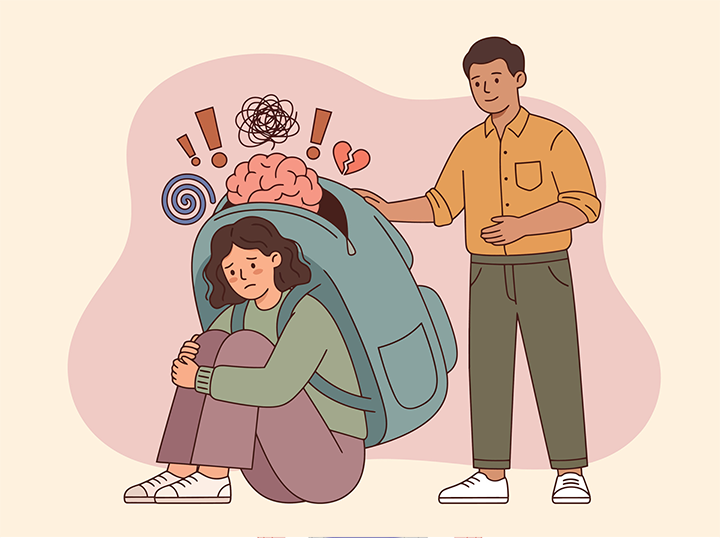
You’ve had the headaches checked out. The stomach issues too. Maybe even the chest tightness that sent you to urgent care at some point. The tests keep coming back clean, but the pain is still very real. If you’ve been left wondering whether your anxiety could actually be causing physical symptoms, the answer is yes, and it’s more common than you might think.
Your Body Doesn’t Separate Mind From Body
Anxiety isn’t just something that happens in your thoughts. When your brain perceives a threat, real or not, it triggers a stress response that moves through your entire body, not just your head.[^1] That response is designed to help you survive short-term danger, but when anxiety keeps that system switched on for weeks, months, or years, the physical toll adds up.
Where Anxiety Tends to Show Up in the Body
Anxiety-related pain doesn’t look the same for everyone, but a few patterns come up again and again:
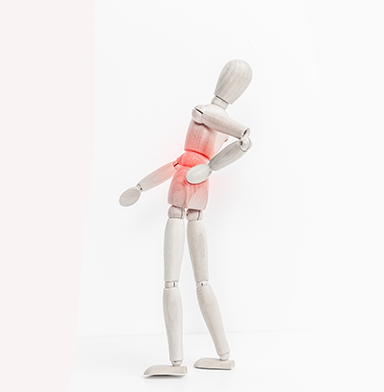
Muscle tension. When you’re anxious, your muscles often stay clenched without you realizing it, especially in the shoulders, neck, and jaw. Held long enough, that tension turns into genuine, lasting pain.[^2]
Headaches and migraines. Chronic muscle tension in the neck and shoulders is a common trigger for tension headaches, and anxiety has also been linked to migraines in some people.[^3]
Stomach and digestive issues. The gut is highly sensitive to stress hormones, which is part of why anxiety so often shows up as nausea, stomachaches, or digestive changes.[^1]
Chest tightness or pressure. This is one of the most alarming symptoms people experience, often mistaken for a heart problem, but it’s a well-documented physical response to anxiety and panic.[^4]
Tingling, numbness, or fatigue. Stress hormones can constrict blood vessels and heighten nerve sensitivity, leading to tingling or muscle twitches, while the constant activation of your stress response can leave you physically drained.[^2]
Why This Happens: The Stress Response
When anxiety kicks in, your body releases stress hormones like cortisol and adrenaline as part of the fight-or-flight response. Elevated stress hormones, muscle tension, and nervous system overstimulation can directly increase pain sensitivity and even trigger inflammation, which can produce or intensify physical pain throughout the body.[^5]
The Feedback Loop That Makes It Worse
Here’s where it gets tricky: pain and anxiety tend to feed each other. Anxiety causes physical tension or pain, which then becomes something new to worry about, which increases anxiety further, which increases the physical symptoms.[^2] On top of that, anxiety can make people more sensitive to bodily sensations in general, a phenomenon sometimes called hypersensitivity, where minor aches that most people would barely notice become impossible to ignore.[^6]
Real Pain, Even Without a Diagnosis
If your doctor hasn’t found a medical cause for what you’re feeling, that doesn’t mean the pain isn’t real, and it doesn’t mean it’s “just in your head.” Stress-induced pain is a genuine physical experience, even when nothing shows up on a scan or bloodwork.[^4] Getting a medical evaluation is still an important first step to rule out other causes, but if everything checks out and the pain persists, anxiety is worth considering as a real contributor.
What Can Help
Because anxiety-related pain is a whole-body issue, addressing it usually works best from a few directions at once: gentle movement (even when it feels counterintuitive, it helps release tension and regulate stress hormones), attention to sleep, and approaches like cognitive behavioral therapy, which has been shown to help reframe the anxious thought patterns driving the physical symptoms in the first place.[^2]
You Don’t Have to Keep Chasing the Pain Alone
If you’ve been bouncing between doctors, tests, and symptoms without real answers, it might be time to look at the anxiety underneath it. Therapy can help you understand the connection between what you’re feeling physically and what’s happening underneath it emotionally, so you’re treating the actual source instead of just the symptoms. If this sounds or feesl familiar to you, email me or call (908) 232-4044, and we can have a zero pressure chat about getting you started on something better.
If you’d like to read more about anxiety, check out these posts:
- What Your Body Is Trying to Tell You About Your Anxiety
- Why Avoidance Makes Anxiety Worse
- How to Interrupt the Spiral of Anxiety
References
[^1]: Directions Counseling, “Can Anxiety Cause Pain? Physical Symptoms of Anxiety Explained” [^2]: Hinge Health, “Can Anxiety Cause Body Aches? Causes and Tips” [^3]: CalmClinic, “How Anxiety Can Create Aches and Pains” [^4]: Crownview Psychological Group, “Anxiety and Physical Pain: What’s the Connection?” [^5]: Twin Cities Pain Clinic, “Does Chronic Pain Cause Anxiety?” [^6]: CalmClinic, “How Anxiety Can Create Aches and Pains”