By Jill Giuliano, LCSW | Anxiety Therapist in Westfield, NJ
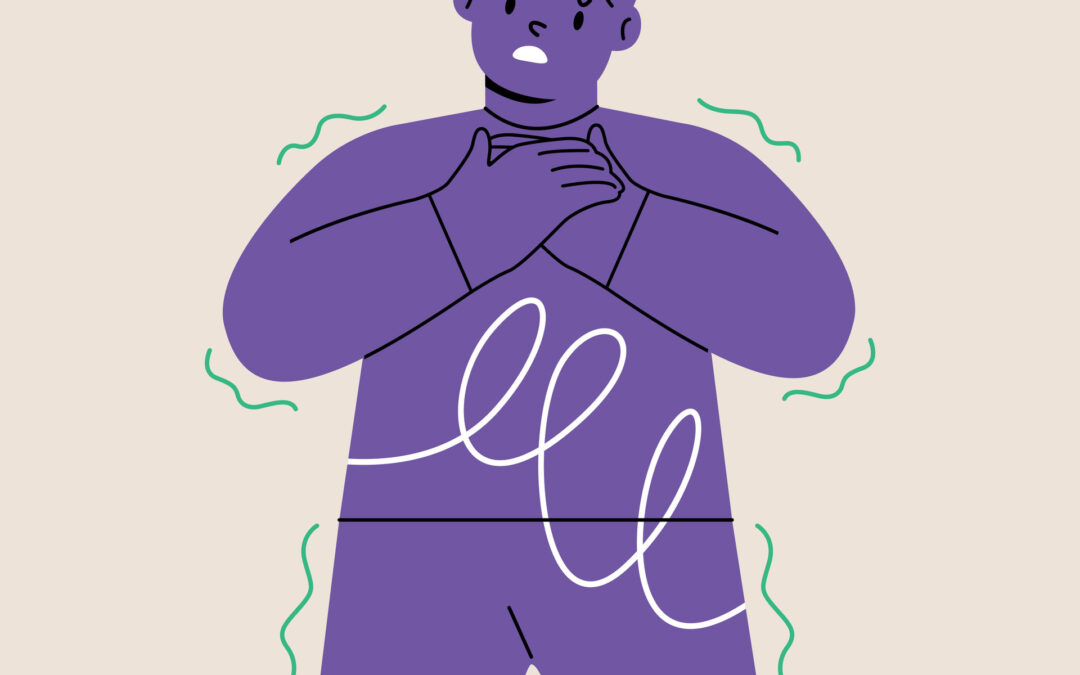
Anxiety doesn’t just live in your head. It lives in your body, too.
Many people are surprised to learn that the stomach problems, muscle tension, headaches, and fatigue they’ve been dealing with for years are closely linked to anxiety. As a therapist who specializes in anxiety in Westfield, NJ, I often find that the body is sending important signals long before a person recognizes what they’re experiencing as anxiety.
The Body-Anxiety Connection
When you feel anxious, your brain activates the fight-or-flight response, flooding your body with stress hormones like cortisol and adrenaline. This is designed to protect you from immediate threats. But when anxiety is chronic, your body stays in that state of alert for much longer than it’s designed to, which takes a physical toll over time.
Common Physical Symptoms of Anxiety
Stomach and digestive issues: The gut and brain are closely connected through what’s called the gut-brain axis. Anxiety can cause nausea, cramping, diarrhea, or irritable bowel symptoms. Many people with chronic digestive problems are surprised to find that addressing their anxiety brings significant relief.
Muscle tension and headaches: When your body is preparing for threat, your muscles tighten. Persistent anxiety often shows up as a tight jaw, clenched shoulders, neck stiffness, or tension headaches.
Fatigue: Being in a constant state of low-level alertness is exhausting. Anxiety drains your energy even when you haven’t been physically active.
Heart racing or shortness of breath: These can feel alarming, but they’re common physical manifestations of the stress response. Many people seek cardiac evaluations only to find that anxiety is the cause.
Sleep disturbance: Trouble falling asleep, waking in the middle of the night with racing thoughts, or never feeling rested are all common signs that anxiety is affecting your body.
What to Do With This Information
If you’ve been dealing with unexplained physical symptoms, it’s always worth ruling out medical causes first. But if doctors haven’t found anything and stress or worry are a regular part of your life, anxiety may be playing a significant role.
The body and mind aren’t separate. Treating one often helps the other. Therapy for anxiety can reduce physical symptoms significantly, especially when combined with practices like breathwork, movement, and mindfulness.
If you’re in Westfield, NJ or the surrounding area and would like to explore whether anxiety might be affecting your physical health, reach out. Help is available, and you don’t have to keep living in a body that feels on edge.
Want to learn more? Read these interesting articles
How Sleep Affects Anxiety, Is Caffeine Affecting your Anxiety, Does Yoga Help with Anxiety, Why Anxiety Gets Worse at Night, High-Functioning Anxiety, You Look Fine But Feel Anything But, Why Avoidance Makes Anxiety Worse
Does this sound or feel familiar to you? Email me or call (908) 232-4044, and we can have a zero pressure chat about getting you started on something better.