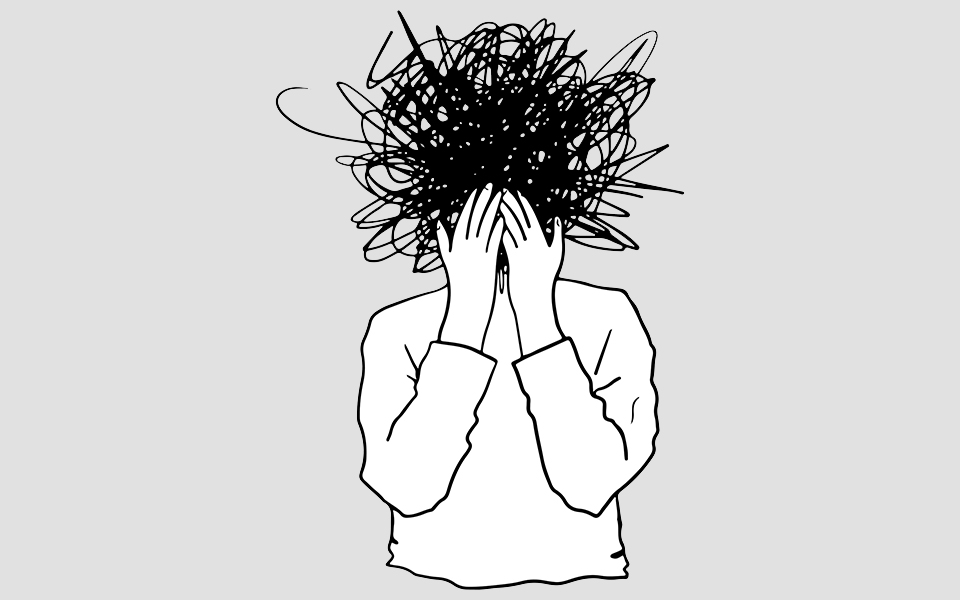
We all experience anxiety. That flutter in your stomach before a job interview, the racing thoughts when your teenager is out past curfew, the nagging worry about an upcoming medical test, these are typical human responses to stress and uncertainty. But how do you know when everyday anxiety has tipped into something more concerning?
The Purpose of Anxiety
First, it’s worth remembering that anxiety isn’t inherently bad. It’s actually an evolutionary gift that helped our ancestors survive by alerting them to danger. Even today, moderate anxiety can sharpen our focus, motivate us to prepare for challenges, and keep us safe. The key word here is “moderate.”
When your Anxiety Might be Excessive
Mental health professionals look for several indicators that anxiety has become problematic:
It’s disproportionate to the situation. Everyone gets nervous before public speaking, but if you’re experiencing panic attacks about casual conversations with coworkers, your anxiety response may be out of proportion to the actual threat.
It persists even when the stressor is gone. If you continue ruminating about a work presentation for weeks after it went well, or you can’t stop worrying about your child’s safety even when they’re sitting right next to you, this persistence can signal excessive anxiety.
It interferes with your daily life. This is perhaps the most important marker. Are you avoiding social situations, struggling to concentrate at work, or having trouble sleeping most nights? When anxiety prevents you from doing things you need or want to do, it’s worth paying attention.
Physical symptoms are frequent or intense. While occasional tension headaches or an upset stomach during stressful periods is normal, experiencing frequent panic attacks, chronic muscle tension, digestive issues, or exhaustion may indicate your anxiety has crossed into clinical territory.
You can’t “turn it off.” Most people can distract themselves from worries or calm down with basic coping strategies. If you find yourself constantly anxious despite your best efforts to relax, or if worry feels uncontrollable, this suggests excessive anxiety.
The Numbers Tell a Story
According to the National Institute of Mental Health, about 19% of U.S. adults experience an anxiety disorder each year, while 31% will experience one at some point in their lifetime. These disorders, including generalized anxiety disorder, social anxiety disorder, and panic disorder, share the common feature that anxiety becomes chronic, excessive, and impairing.
When to Seek Help
The American Psychological Association suggests seeking professional help when anxiety persists for several weeks, significantly interferes with work or relationships, or is accompanied by depression, substance use, or thoughts of self-harm.
The good news? Anxiety disorders are among the most treatable mental health conditions. Cognitive-behavioral therapy has strong evidence supporting its effectiveness, and for some people, medication can also be helpful. Many individuals see significant improvement with treatment.
Trust Yourself
Ultimately, you are the expert on your own experience. If anxiety feels overwhelming, unmanageable, or is keeping you from living the life you want, that’s reason enough to reach out for support. You don’t need to wait until you’re in crisis to talk to a therapist or your doctor.
As mental health researcher Dr. Judson Brewer notes, the goal isn’t to eliminate anxiety entirely, that’s neither possible nor desirable. Instead, it’s about finding that balance where anxiety serves as helpful information rather than a constant burden.
References
American Psychological Association. (2023). “Anxiety.” Retrieved from https://www.apa.org/topics/anxiety
National Institute of Mental Health. (2023). “Anxiety Disorders.” Retrieved from https://www.nimh.nih.gov/health/topics/anxiety-disorders
Anxiety and Depression Association of America. (2023). “Understand Anxiety and Depression.” Retrieved from https://adaa.org
Hofmann, S. G., Asnaani, A., Vonk, I. J., Sawyer, A. T., & Fang, A. (2012). “The Efficacy of Cognitive Behavioral Therapy: A Review of Meta-analyses.” Cognitive Therapy and Research, 36(5), 427-440.
Bandelow, B., & Michaelis, S. (2015). “Epidemiology of anxiety disorders in the 21st century.” Dialogues in Clinical Neuroscience, 17(3), 327-335.
I’m Jill Giuliano, LCSW. I’m a therapist practicing in Westfield, New Jersey as well as virtually in New Jersey, Pennsylvania and Indiana. If you’re struggling with anxiety, infertility, depression, relationship issues or other concerns, email me or give me a call and we’ll get you started on your journey to feel better. I’ve been at this for over 20 years, therapy can make it better!