We live in a world where “I’m so OCD about my desk” or “my anxiety is through the roof” get tossed around almost interchangeably. But anxiety and Obsessive-Compulsive Disorder (OCD) are distinctly different conditions and confusing them can lead to years of wrong treatment and unnecessary suffering. In fact, research suggests that people with OCD wait an average of 14 to 16 years before receiving the right kind of care, often because their condition is misidentified. So what’s actually the difference? Let’s break it down.
What Is Anxiety?
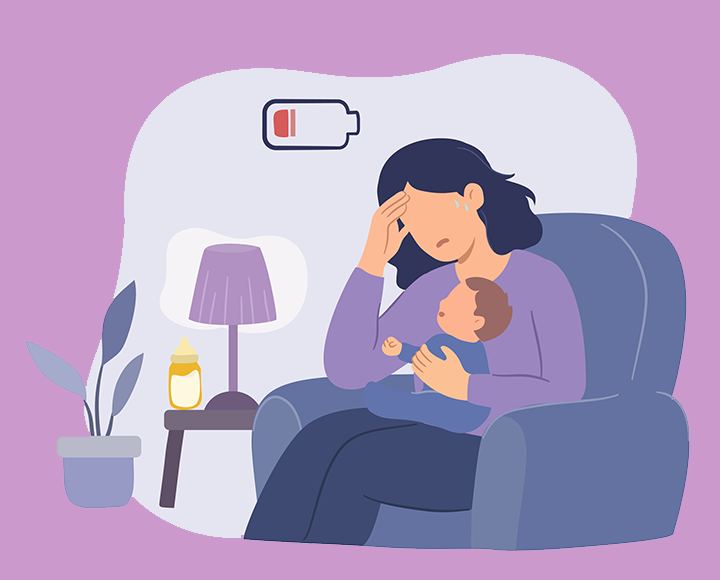
Anxiety is the body and mind’s response to perceived threat or uncertainty. In small doses, it is completely normal and even useful. But when it becomes excessive and persistent, it can become a diagnosable anxiety disorder, such as Generalized Anxiety Disorder (GAD), social anxiety disorder, or panic disorder.
People with GAD, for example, experience intense, hard-to-control worry about everyday matters such as finances, relationships, health, work, even when there’s little objective reason for concern. These worries are broad, shifting, and woven into daily life. Physical symptoms like a racing heart, sweating, and trembling are common. Anxiety disorders affect up to one-third of the population at some point in their lives, making them among the most common mental health conditions in the world.
The key feature of anxiety: the worry itself is the problem. People with anxiety disorders tend to avoid situations that trigger their fear, but they don’t usually perform specific rituals or repeated behaviors to manage it.
Now: What Is OCD?
Obsessive-Compulsive Disorder is a condition built around two interlocking experiences, obsessions, which are intrusive, unwanted, and distressing thoughts, images, or urges that appear repeatedly and feel impossible to control. And compulsions, or repetitive behaviors or mental rituals performed in an attempt to neutralize the distress caused by those obsessions.
Classic examples include checking the stove multiple times before leaving the house, washing hands repeatedly for fear of contamination, or mentally counting or repeating phrases to prevent imagined harm. But OCD can also be entirely internal. “Mental compulsions” like reviewing memories, mental reassurance-seeking, or neutralizing thoughts are just as real as physical rituals.
Crucially, OCD is no longer classified as an anxiety disorder. In 2013, the American Psychiatric Association moved OCD into its own separate diagnostic category in the DSM-5, the official manual used to diagnose mental health conditions. This reflects growing understanding that OCD has a distinct neurobiology and responds differently to treatment than traditional anxiety disorders do.
The Core Differences
1. Worry vs. Obsession
In anxiety disorders, intrusive thoughts tend to center on real-life concerns, “What if I lose my job?” or “What if my child gets sick?” In OCD, obsessions are typically narrower, more repetitive, and often feel ego-dystonic, meaning they feel alien and deeply at odds with who the person believes themselves to be. A person with OCD who has intrusive thoughts about harming someone they love is almost certainly not dangerous; they are horrified by the thought, which is precisely what makes it an obsession.
2. Compulsions vs. Avoidance
This is perhaps the clearest distinguishing feature. People with anxiety disorders typically avoid situations or triggers that make them anxious. People with OCD, however, are driven to perform specific actions, rituals, to relieve the distress their obsessions cause. These compulsions provide temporary relief, but the relief is short-lived, which reinforces the cycle and makes it worse over time.
As one clinical description puts it: in anxiety, the anxiety is the main symptom. In OCD, anxiety is the result of the obsessions, a consequence of a separate underlying cycle.
3. Time and Disruption
According to DSM-5 diagnostic criteria, OCD symptoms must consume more than one hour per day or cause significant distress or impairment in work, relationships, or daily function. Anxiety disorders are diagnosed based on the pervasiveness of worry lasting at least six months. Both are serious, but the compulsive behavior pattern of OCD tends to be particularly time-consuming and life-disrupting.
4. Brain Chemistry
People with OCD often show abnormally low levels of serotonin and distinct patterns of brain activity compared to those with anxiety disorders. This partly explains why OCD treatment often requires higher doses of SSRIs than anxiety disorders do, and why OCD can take longer to respond to medication.
Can You Have Both?
Yes. OCD and anxiety disorders frequently co-occur, and having one increases the risk of developing the other. When both are present, treatment must address both conditions, they do not cancel each other out.
How Are They Treated?
Both conditions respond well to Cognitive Behavioral Therapy (CBT), but the specific approach differs.
For anxiety disorders, CBT often focuses on challenging distorted thinking patterns and gradually facing feared situations.
For OCD, the gold-standard treatment is a specialized form of CBT called Exposure and Response Prevention (ERP). ERP involves deliberately confronting feared obsessions while refraining from performing compulsions — teaching the brain that the obsessive thought can be tolerated without a ritual. Studies show that around 80% of people with OCD experience significant symptom reduction with ERP therapy.
Both conditions are also commonly treated with SSRIs (such as sertraline or fluoxetine), though OCD typically requires higher doses and may take longer to respond.
Anxiety and OCD are neighbors, not twins. Both involve distressing thoughts and significant suffering. But anxiety is characterized by broad, pervasive worry, while OCD is defined by the cycle of intrusive obsessions and compulsive rituals that temporarily, but never truly, relieve them.
Getting the diagnosis right is not a technicality. It is the foundation of effective treatment. If you or someone you love is struggling with either condition, seeking evaluation from a trained mental health professional is the most important first step.
I’m Jill Giuliano, LCSW. I’m a therapist who practices in my office in Westfield, New Jersey as well as virtually in New Jersey, Pennsylvania and Indiana. If you’re struggling with anxiety, infertility, depression, relationship issues or other concerns, email me or give me a call and we’ll get you started on your journey to feel better. I’ve been at this for over 20 years and therapy with a trained professional can change your life.
References
- American Psychiatric Association. (2013). Diagnostic and Statistical Manual of Mental Disorders (5th ed.). American Psychiatric Publishing.
- Falk, A., Goldman, R., & Mohatt, J. (2020). Is it OCD or an anxiety disorder? Considerations for differential diagnosis and treatment. Psychiatric Times, 37(6). https://www.psychiatrictimes.com/view/it-ocd-or-anxiety-disorder-considerations-differential-diagnosis-and-treatment
- Fineberg, N. A., et al. (2020). Obsessive-compulsive disorder (OCD): Practical strategies for pharmacological and somatic treatment in adults. International Clinical Psychopharmacology, 35(4), 173–193. https://doi.org/10.1097/YIC.0000000000000314
- Bandelow, B., & Michaelis, S. (2015). Epidemiology of anxiety disorders in the 21st century. Dialogues in Clinical Neuroscience, 17(3), 327–335.
- Fineberg, N. A., et al. (2015). The overlap between anxiety, depression, and obsessive-compulsive disorder. PMC / National Institutes of Health. https://pmc.ncbi.nlm.nih.gov/articles/PMC4610610/
- NOCD. (2025). GAD vs. OCD: Key differences, overlap, and treatment. https://www.treatmyocd.com/blog/gad-and-ocd
- Talkiatry. (2024). OCD vs. anxiety: What’s the difference? Reviewed by Austin Lin, MD. https://www.talkiatry.com/blog/ocd-vs-anxiety
- McLean Hospital / Harvard Medical School. Crosby, J. M., PhD. OCD or an anxiety disorder? Getting the diagnosis right. https://www.mcleanhospital.org/video/ocd-or-anxiety-disorder-getting-diagnosis-right
- Holmes, K. D. (2024). Differentiating OCD and anxiety disorders. KDH Collective. https://kdhcollective.kdholmeslpc.com/kdh-collective/differentiating-ocd-and-anxiety-disorders