The science behind the ‘Sunday Scaries’, and what you can do about them.
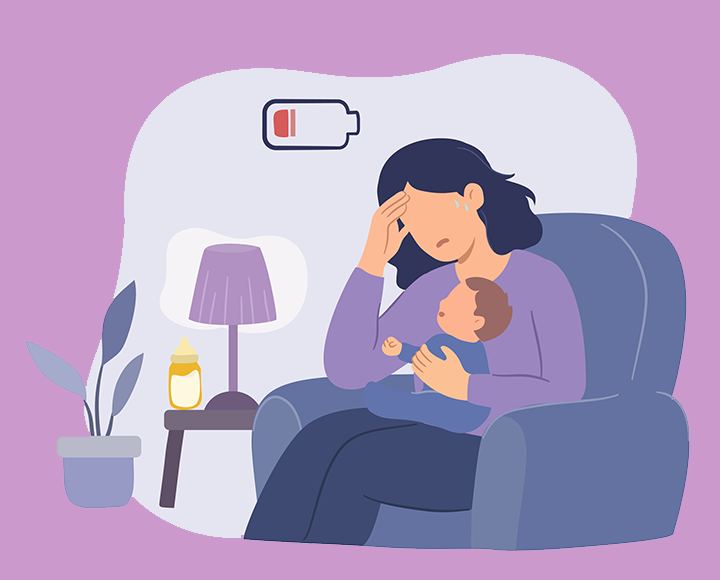
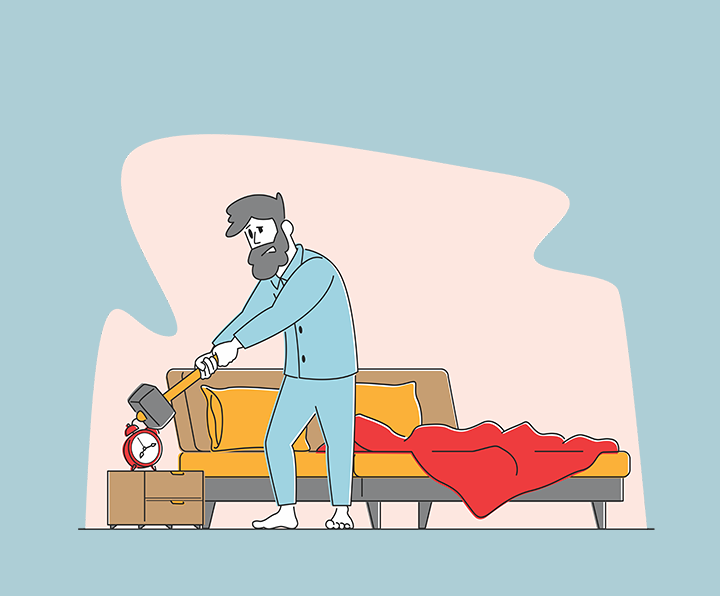
If Sunday afternoons leave you feeling a creeping sense of dread, a low-grade nervousness that grows as Monday inches closer, you are far from alone. This phenomenon has a name: the “Sunday Scaries.” And while the term may sound whimsical, the experience is surprisingly well-documented. So, is Sunday anxiety real? The short answer is yes and it’s backed up by research.
What Are the Sunday Scaries?
The Sunday Scaries, also known as the Sunday blues or Sunday syndrome, refer to feelings of anticipatory anxiety and dread that arise as the weekend winds down and the workweek looms [1]. Psychologists classify this as a form of anticipatory anxiety, which the American Psychological Association defines as apprehension about an upcoming event due to the possibility of a negative outcome [2].
The transition from weekend freedom to weekday structure creates a genuine psychological tension. As Dr. Susan Albers of the Cleveland Clinic puts it, “The transition from weekend relaxation to work mode can be a tough 180-degree turn” [3]. In that sense, Sunday Scaries are a normal response to a change in roles and expectations, not a personal failing.
The Numbers Are Striking
Multiple surveys confirm that Sunday anxiety is widespread. A LinkedIn survey of 3,000 U.S. workers found that 80% report experiencing this Sunday evening discomfort [4]. A separate Headspace survey found that 75% of workers experience pre-week anxiety, with many reporting difficulty falling asleep on Sundays [5].
Younger generations appear to be especially affected. According to the American Academy of Sleep Medicine’s 2022 Sleep Prioritization Survey, more than a quarter of Americans report frequently taking longer to fall asleep on Sunday nights than any other night of the week, a figure that rises to 34% among Millennials and 32% among Gen Z [6].
What Triggers It?
Organizational psychology research suggests that energy levels drop substantially between Sunday and Monday, and that anticipating the full week ahead may be a driving cause [7]. Several specific triggers have been identified:
Anticipatory stress: The prospect of returning to a demanding work environment activates the brain’s threat-detection system. Anticipatory anxiety triggers a cortisol spike, leaving the body in a low-level stress state even before anything has actually gone wrong [8].
Loss of autonomy: Weekends offer freedom and choice. The prospect of surrendering that freedom to deadlines, meetings, and managerial oversight can amplify feelings of dread, even in people who generally enjoy their jobs.
Unfinished business: Research published in the Journal of Experimental Psychology shows that unresolved tasks create mental clutter and promote rumination. Simply writing down a to-do list for Monday can help offload this cognitive burden [9].
Work-related stress: A 2023 APA survey found that 76% of workers reported that workplace stress negatively impacted their mental health [10]. High-stress environments make Sunday anxiety significantly worse.
When Does It Become a Problem?
Some degree of Sunday anxiety is normal. But when the dread begins on Saturday, disrupts sleep consistently, affects relationships, or involves substance use as a coping mechanism, it may warrant professional attention. In some cases, Sunday Scaries can overlap with or signal an underlying anxiety disorder or depression [2].
Research from the Cleveland Clinic also notes that work-related stress is serious enough to affect physical health: heart attack rates are notably higher on Sundays and Mondays than on any other days of the week [3].
What Helps
Fortunately, there are evidence-informed strategies that can take the edge off. Mental health experts recommend:
- Preparing a Monday agenda on Friday to reduce uncertainty.
- Unplugging from work email and notifications on weekends.
- Maintaining a consistent sleep schedule to protect circadian rhythms.
- Practicing mindfulness or meditation to anchor attention in the present.
- Reframing anxiety as helpful information rather than a threat, which research shows can improve both mood and performance [10].
The Sunday Scaries are real, they are common, and they are rooted in genuine psychological and physiological processes. The good news is that understanding what drives them is the first step toward taking back your Sunday.
I’m Jill Giuliano, LCSW. I’m a therapist who practices in my office in Westfield, New Jersey and virtually in New Jersey, Pennsylvania and Indiana. If you’re struggling with the Sunday Scaries or other anxiety, email me or call (908) 232-4044, and we can have a zero pressure chat about getting you started on something better. I’ve been at this for over 20 years and therapy with a trained professional can change your life.
Read more articles about High Functioning Anxiety, Why Anxiety Gets Worse At Night and Why Avoidance Makes Anxiety Worse
References
[1] Wikipedia. (2024). Sunday scaries. https://en.wikipedia.org/wiki/Sunday_scaries
[2] Psychiatric Medical Care. (2023). Are you afraid of the Sunday Scaries? https://www.psychmc.com/are-you-afraid-of-the-sunday-scaries/
[3] Cleveland Clinic Health Essentials. (2025). How to fight off the Sunday Scaries. https://health.clevelandclinic.org/sunday-scaries
[4] LinkedIn Survey. (2022). As cited in Psychiatric Medical Care, 2023.
[5] Headspace. (2024). How to beat the Sunday Night Blues. https://www.headspace.com/articles/sunday-anxiety
[6] American Academy of Sleep Medicine. (2022). Sleep Prioritization Survey. https://aasm.org/wp-content/uploads/2022/07/sleep-prioritization-survey-sunday-scaries.pdf
[7] Weigelt, O., Siestrup, K., & Prem, R. (2021). Journal of Organizational Behavior, 42, 567–586. https://doi.org/10.1002/job.2514
[8] Therapy Group DC. (2025). Sunday Scaries explained. https://therapygroupdc.com/therapist-dc-blog/sunday-scaries-explained
[9] Masicampo, E. J., & Baumeister, R. F. (2011). Journal of Personality and Social Psychology, 101(4), 667–683.
[10] Psychology Today. (2023). Taming the anxiety you feel about work on Monday. https://www.psychologytoday.com/us/blog/frazzlebrain/202308/taming-the-anxiety-you-feel-about-work-on-monday